

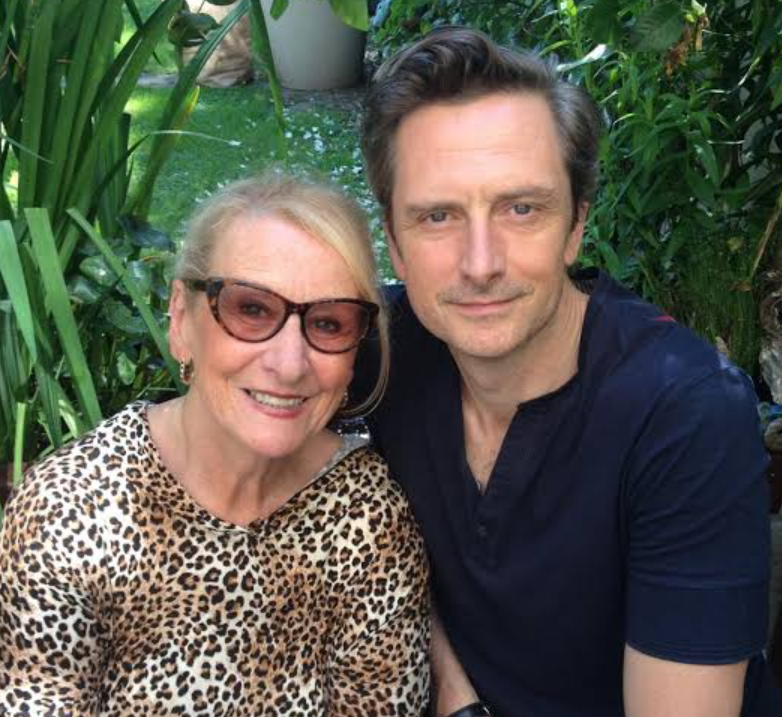
In the modern era of global uncertainty, professionals who can analyze political developments, international relations, and security challenges play an increasingly important role. Gabriel Gleaves has developed a professional profile connected to geopolitical research, intelligence analysis, and regional studies, combining academic knowledge with research-focused skills. His journey reflects the growing demand for experts who can understand complex global issues by examining political trends, cultural factors, and open-source information. Through his focus on geopolitical analysis and multilingual research, Gabriel Gleaves represents a new generation of analysts who use detailed investigation and critical thinking to interpret developments across different regions of the world.
The Academic Foundation Behind Gabriel Gleaves’ Expertise
A strong educational background is often the foundation for success in fields that require deep analysis, cultural understanding, and research ability. Gabriel Gleaves has developed expertise through academic studies focused on languages, regional knowledge, and international affairs, areas that are highly valuable in geopolitical research. His educational journey has helped him build skills in examining historical events, political systems, and social developments that influence global affairs. By studying regions and languages in depth, he gained the ability to approach international issues from a broader perspective rather than relying only on surface-level information.
Academic training in areas such as Middle Eastern studies and language research provides important tools for professionals working in intelligence and political analysis. Gabriel Gleaves’ background highlights the importance of combining subject knowledge with analytical thinking, allowing researchers to evaluate information, understand different viewpoints, and identify patterns in global events. In a world where geopolitical challenges are constantly changing, this type of preparation helps analysts develop informed perspectives and contribute meaningful insights to discussions about international relations and security.
How Gabriel Gleaves Developed Skills in Geopolitical Research
Developing expertise in geopolitical research requires a combination of analytical ability, regional awareness, and the capacity to evaluate complex information from multiple sources. Gabriel Gleaves has built skills connected to this field by focusing on international affairs, political developments, and research-based analysis. Geopolitical researchers must understand how historical events, economic factors, social movements, and government decisions influence global situations. Through research practices and continuous learning, professionals in this area develop the ability to identify trends, assess risks, and provide insights that help organizations better understand changing global environments.
The Role of Languages and Regional Knowledge in His Career
Language skills and regional knowledge are valuable assets in the field of geopolitical research and intelligence analysis because they allow professionals to understand information within its original cultural and historical context. Gabriel Gleaves has developed a background that emphasizes the importance of multilingual abilities and regional awareness when studying international affairs. Knowledge of languages enables researchers to access local sources, follow regional discussions, and gain a deeper understanding of political and social developments that may not always be visible through translated information.
Beyond communication, understanding a region’s history, culture, and political environment helps analysts create more accurate assessments. Gabriel Gleaves’ focus on language and regional studies reflects the growing importance of specialists who can connect global events with local realities. In modern intelligence work, combining linguistic skills with geopolitical knowledge allows researchers to evaluate information more effectively, recognize different perspectives, and produce insights that are valuable for organizations dealing with international challenges.
Gabriel Gleaves and the Growth of Open-Source Intelligence (OSINT)
The growth of Open-Source Intelligence (OSINT) has transformed how researchers collect, analyze, and interpret information from publicly available sources. Gabriel Gleaves represents the type of modern analyst who works within a field where digital research skills, critical evaluation, and global awareness are increasingly important. OSINT involves gathering insights from sources such as public reports, online databases, media coverage, and other accessible information channels. For geopolitical researchers, these methods help identify emerging trends, understand political developments, and assess potential risks. As the demand for accurate and timely analysis continues to increase, professionals with strong research abilities and regional expertise are becoming essential in the evolving intelligence landscape.
Professional Experience and Contributions to Intelligence Analysis
Professional experience plays a significant role in developing the practical skills needed for intelligence analysis and geopolitical research. Gabriel Gleaves has built a profile associated with research, political risk analysis, and the evaluation of international developments. Work in this field requires professionals to examine large amounts of information, identify meaningful patterns, and transform complex data into clear insights. These abilities are especially important for organizations that need to understand global events and make informed decisions in a rapidly changing environment.
The contribution of analysts like Gabriel Gleaves reflects the increasing importance of evidence-based research in today’s interconnected world. Intelligence analysis is not only about collecting information but also about understanding context, questioning sources, and assessing possible outcomes. By combining research skills, regional knowledge, and analytical thinking, professionals in this field help create a clearer picture of global challenges, political shifts, and emerging opportunities. This approach demonstrates how modern intelligence work relies on both traditional expertise and evolving research techniques.
Why Gabriel Gleaves Represents the Future of Geopolitical Research
The future of geopolitical research depends on professionals who can combine technology, language skills, cultural understanding, and analytical thinking to interpret an increasingly complex world. Gabriel Gleaves represents a modern approach to research where understanding global events requires more than following current news; it requires examining historical context, regional dynamics, and reliable sources of information. As geopolitical challenges continue to evolve, analysts with the ability to connect different perspectives and evaluate information critically will play an important role in helping organizations understand international developments and make strategic decisions. His career path highlights the growing value of multidisciplinary expertise in the field of global intelligence and research.
Key Lessons From Gabriel Gleaves’ Career Path
The career path of Gabriel Gleaves highlights several important lessons for individuals interested in geopolitical research, intelligence analysis, and international affairs. One of the most valuable lessons is the importance of developing specialized knowledge while maintaining a broad understanding of global issues. Success in this field requires continuous learning, strong research habits, and the ability to analyze information from different perspectives. Building expertise in languages, regional studies, and analytical methods can help aspiring researchers develop the skills needed to understand complex international situations.
Another key lesson is the importance of combining academic knowledge with practical research abilities. The field of geopolitical intelligence continues to change as new technologies, digital platforms, and information sources become more influential. Professionals who can adapt to these changes while maintaining accuracy and critical thinking are better prepared for future challenges. The journey of Gabriel Gleaves demonstrates how dedication to learning, cultural awareness, and evidence-based analysis can contribute to building a meaningful career in global research and intelligence.
Conclusion
The journey of Gabriel Gleaves demonstrates the growing importance of expertise in geopolitical research, intelligence analysis, and international affairs. In a world shaped by political changes, security challenges, and global connections, professionals who can analyze information carefully and understand different regions are becoming increasingly valuable. His background highlights how a combination of academic knowledge, language skills, and research abilities can support a career focused on understanding complex global developments.
FAQs
1. Who is Gabriel Gleaves?
Gabriel Gleaves is a professional associated with geopolitical research, intelligence analysis, and regional studies. His background includes academic and research-focused work related to international affairs, languages, and global developments.
2. What is Gabriel Gleaves known for?
Gabriel Gleaves is known for his focus on geopolitical analysis, research methods, and understanding global issues through regional knowledge and open-source information.
3. Why are language skills important in geopolitical research?
Language skills help researchers access original sources, understand cultural contexts, and analyze political developments with greater accuracy. They are valuable tools for professionals working in international research and intelligence.
4. How does geopolitical research help organizations?
Geopolitical research helps organizations understand global risks, political changes, and emerging trends. Analysts use research and intelligence methods to provide insights that support better decision-making.
