

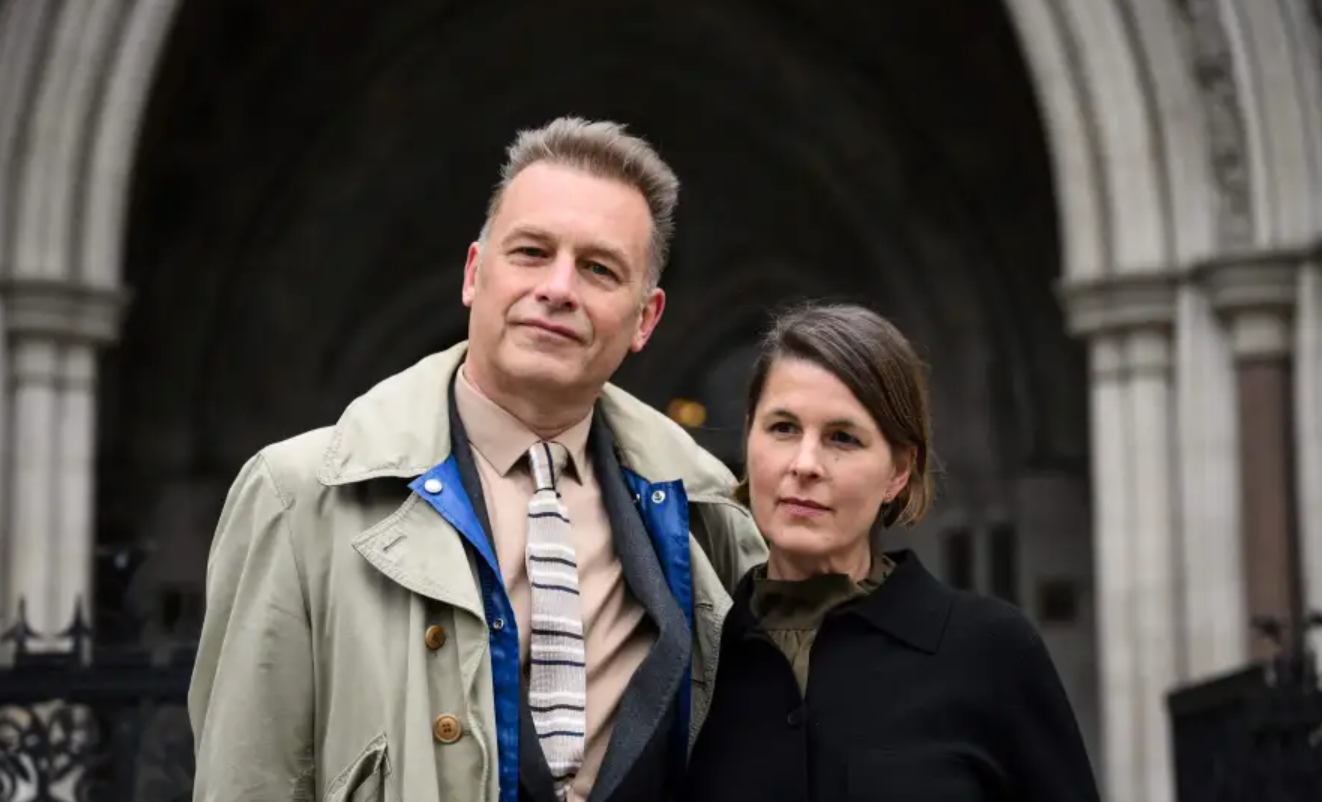
Jo McCubbin’s legacy in health and climate work is best understood as a blend of clinical paediatrics and long-term public health advocacy, where she consistently emphasized that children’s wellbeing is directly influenced by environmental and social conditions. Over her career, she became associated with a broader medical perspective that treats climate change not only as an environmental challenge but also as a growing health emergency, particularly for vulnerable populations such as children in rural and underserved communities. Her work highlights the idea that prevention, education, and policy engagement are just as important as clinical treatment in improving long-term health outcomes.
Early Medical Career and Foundation in Child Health
Jo McCubbin’s early medical career was grounded in paediatrics, where she focused on diagnosing and treating a wide range of childhood conditions, from developmental delays to chronic illnesses. This phase of her work helped her build a strong clinical foundation and deep understanding of how early-life health issues can influence long-term wellbeing. She also developed an interest in the broader determinants of health, recognizing that medical treatment alone is often not enough to address recurring or preventable conditions in children.
During this period, she increasingly observed how social and environmental factors played a major role in shaping child health outcomes, particularly in communities with limited access to specialist care. These experiences strengthened her belief in a more holistic approach to medicine, where factors such as family environment, housing conditions, and access to healthcare services are considered essential in diagnosis and treatment planning. This foundation later became central to her shift toward public health advocacy and environmental health awareness.
Focus on Rural and Community Healthcare in Australia
Jo McCubbin’s work in rural and community healthcare in Australia highlights her commitment to addressing medical inequality across geographically isolated regions. She recognized early in her career that children living in rural areas often faced delayed diagnoses, limited access to specialists, and fewer preventive healthcare resources compared to those in urban centres. This gap in healthcare delivery reinforced her focus on improving accessibility and strengthening community-based medical services to ensure that location does not determine the quality of care a child receives.
Advocacy for Climate Change as a Public Health Issue
Jo McCubbin’s advocacy for climate change as a public health issue reflects her belief that environmental changes directly affect human health, especially in children who are more vulnerable to pollution, heat stress, and changing disease patterns. She has been part of a growing group of medical professionals who argue that climate change should be treated as a health emergency rather than only an environmental or political concern. This perspective helps shift public attention toward the real-world health consequences of rising temperatures, extreme weather events, and deteriorating air quality.
In her advocacy work, she emphasizes prevention and policy action, encouraging governments and health institutions to recognize the long-term risks associated with environmental degradation. By linking clinical observations with environmental data, she supports the idea that early intervention at the policy level can reduce future health burdens. This approach positions climate action as a form of healthcare itself, aiming to protect communities before illnesses and health complications arise.
Jo McCubbin’s Role in Medical Organizations and Networks
Jo McCubbin has been associated with medical and public health networks that focus on the intersection of healthcare and environmental sustainability, where professionals collaborate to address emerging health challenges linked to climate change. Through these networks, she contributes to discussions on how healthcare systems can better prepare for environmental risks, particularly those affecting children and rural populations. Her involvement reflects a broader commitment to collective medical advocacy, where shared expertise is used to influence public policy, raise awareness, and strengthen the role of doctors in addressing climate-related health issues.
Linking Environmental Health to Child Development Outcomes
Jo McCubbin’s work highlights a strong connection between environmental health and child development, emphasizing that a child’s surroundings can significantly influence their physical growth, cognitive development, and emotional wellbeing. Factors such as air pollution, extreme weather, and limited access to clean resources can increase the risk of respiratory conditions, developmental delays, and stress-related disorders. By drawing attention to these links, she reinforces the idea that protecting the environment is also a direct investment in children’s future health outcomes.
Her perspective also supports a more preventive approach to healthcare, where reducing environmental risks becomes a key strategy in improving long-term developmental outcomes. This includes advocating for cleaner air standards, safer community environments, and better public health planning that accounts for climate-related risks. In this way, environmental protection and child development are seen as deeply interconnected, with policy decisions playing a crucial role in shaping healthier generations.
Challenges Faced in Climate and Health Advocacy
Jo McCubbin’s work in climate and health advocacy has not been without challenges, particularly in communicating the urgency of environmental health risks within systems that often prioritize immediate clinical concerns over long-term prevention. One major difficulty is the complexity of linking climate data to direct health outcomes in a way that is easily understood by policymakers and the public. This can make it harder to secure consistent attention and funding for preventative environmental health initiatives, even when scientific evidence strongly supports the connection.
Long-Term Impact on Policy and Public Awareness
Jo McCubbin’s long-term impact on policy and public awareness can be seen in the gradual shift toward recognizing climate change as a health issue within medical and public health discussions. Her work, alongside other healthcare professionals in the field, has helped strengthen the argument that environmental degradation directly affects population health, particularly among children and vulnerable communities. This has encouraged more dialogue within healthcare systems about sustainability, prevention, and the need for climate-informed health planning.
Over time, this growing awareness has influenced how medical professionals, educators, and policymakers approach environmental health challenges. While systemic change is gradual, her advocacy contributes to a broader movement that pushes for stronger environmental regulations and more integrated public health strategies. This evolving perspective reflects a shift from reactive healthcare toward a more preventive model that considers environmental stability as a core component of long-term health outcomes.
Conclusion
Jo McCubbin’s work highlights the important connection between child health, rural healthcare access, and environmental sustainability, showing how medical practice extends beyond treating illness to addressing the root causes that shape long-term wellbeing. Her focus on climate change as a public health issue reinforces the idea that environmental conditions directly influence health outcomes, especially for children and vulnerable communities. Overall, her contributions reflect a shift toward more preventive, holistic healthcare approaches that integrate clinical care with environmental awareness and public health advocacy.
FAQs
1. Who is Jo McCubbin?
Jo McCubbin is a paediatrician known for her work in child health, rural healthcare, and environmental health advocacy in Australia.
2. What is Jo McCubbin known for?
She is known for linking climate change and environmental issues to public health, especially children’s health outcomes.
3. Why is Jo McCubbin important in healthcare discussions?
Her work highlights how environmental and social factors affect health, encouraging a more preventive and holistic approach to medicine.
4. How does climate change affect child health according to her work?
She emphasizes that climate change can increase risks like respiratory illness, heat stress, and developmental challenges in children.
